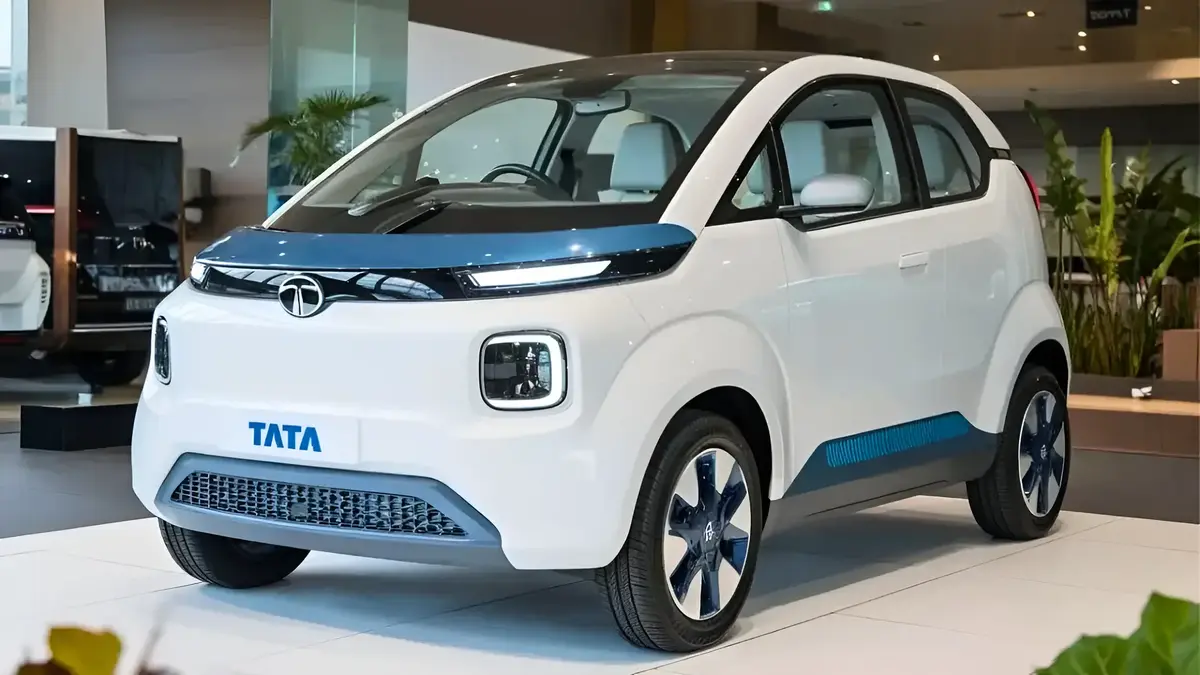
The Tata Nano name is back in the spotlight — this time with an electric twist.
The Tata Nano EV has been introduced as an affordable electric car with a claimed driving range of up to 300 kilometers and a starting price of ₹3.5 lakh. The launch has triggered immediate interest among budget-conscious buyers and first-time EV customers across India.
If the pricing and range claims hold, the Nano EV could become one of the country’s most accessible electric vehicles. That matters in a market where upfront cost remains the biggest barrier to EV adoption.
Here’s what is known so far — and what it could mean for buyers.
Tata Nano EV Launch: What We Know So Far
The Tata Nano EV has been presented as a compact electric hatchback designed primarily for urban commuting. It revives the Nano badge, once known as India’s most affordable petrol car.
This time, the focus is different.
Instead of targeting entry-level petrol buyers, the Nano EV aims to attract consumers considering their first electric vehicle. The reported starting price of ₹3.5 lakh positions it significantly below many existing electric cars in India.
A claimed range of up to 300 km on a single charge puts it in competitive territory within the affordable EV segment.
Why the Tata Nano EV Matters for India’s EV Market
India’s electric vehicle market has grown steadily in recent years, led by models like the Tata Tiago EV and Tata Punch EV.
However, price remains a key concern.
Industry analyst Vinkesh Gulati previously told reporters, “Affordability is the biggest driver for mass EV adoption in India. If pricing drops meaningfully, demand follows.”
At ₹3.5 lakh, the Nano EV could dramatically shift buyer calculations — especially for city drivers who do not need long highway range.
If successful, it could also intensify competition among low-cost EV manufacturers.
Tata Nano EV Specifications: Range, Battery and Features
The Nano EV is reported to offer a 300 km claimed driving range. Real-world range may vary depending on driving conditions, terrain, and charging habits.
Details about battery capacity and motor output have not yet been fully disclosed.
What is clear is that the vehicle is designed as a small, lightweight city car. That typically helps improve efficiency and maximize range from smaller battery packs.
Charging options are expected to include standard home charging compatibility, though official confirmation on fast-charging capability is still awaited.
Background: The Legacy of the Tata Nano
The original Tata Nano, launched in 2008, was introduced as the world’s most affordable petrol car.
It was positioned as a budget-friendly option for two-wheeler owners seeking an upgrade. Despite early hype, sales slowed over time due to perception challenges and changing consumer preferences.
The electric relaunch reflects a broader shift in the auto industry.
As Tata Motors Chairman N. Chandrasekaran has said in past industry forums, “Electric mobility is central to the future of transportation in India.”
Reintroducing the Nano brand in electric form taps into nostalgia while aligning with new mobility goals.
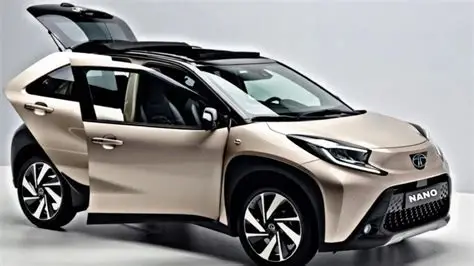
Timeline of the Tata Nano EV Launch
- Initial reports of an electric Nano concept circulated in recent years.
- Industry speculation intensified amid rising EV demand.
- The Nano EV was introduced with a starting price of ₹3.5 lakh and a claimed 300 km range.
Further rollout details, including delivery timelines and dealership availability, are expected in the coming months.
Official Statements and Industry Reaction
While full technical briefings are still pending, the launch announcement has generated strong reactions online.
Automotive commentator Hormazd Sorabjee recently noted in a discussion on affordable EVs, “The real challenge isn’t just building a cheap EV. It’s making one that customers trust and want to buy.”
That sentiment reflects the broader question surrounding the Nano EV: price attracts attention, but performance and reliability will determine long-term success.
Dealers are reportedly preparing for increased showroom inquiries, especially in metro cities where EV awareness is higher.
Public Reaction: Cautious Optimism
On social media platforms and auto forums, reactions have been mixed but curious.
Some users welcomed the move, calling it a “game-changer” if the range claim proves accurate.
Others raised questions about battery durability, safety ratings, and after-sales support.
Consumer confidence will likely depend on transparent specifications and real-world testing once deliveries begin.
Key Facts About Tata Nano EV
| Event | Location | Date | Who Is Affected | Current Status | What Readers Should Know |
|---|---|---|---|---|---|
| Tata Nano EV Launch | India | 2026 | Budget car buyers, first-time EV buyers | Announced | Starting price ₹3.5 lakh |
| Claimed Driving Range | India | 2026 | Urban commuters | Reported | Up to 300 km per charge |
| Market Position | Indian EV segment | Ongoing | Competing EV manufacturers | Active | Positioned as low-cost EV option |
What Happens Next?
Several questions remain unanswered.
Buyers are waiting for confirmed specifications, booking details, financing options, and government subsidy eligibility.
Delivery timelines will also determine how quickly the Nano EV moves from headline to highway.
If production ramps up smoothly, it could add momentum to India’s push toward electric mobility.
Frequently Asked Questions (FAQ)
What is the starting price of the Tata Nano EV?
The Tata Nano EV is reported to start at ₹3.5 lakh.
What is the claimed range of the Nano EV?
The claimed driving range is up to 300 kilometers on a single charge.
Is the Tata Nano EV available for booking?
Booking and delivery details are expected to be announced soon.
Will the Nano EV support home charging?
It is expected to support standard home charging, though full charging specifications are pending.
Is this a relaunch of the original Nano?
Yes. The Nano EV revives the Nano brand in an all-electric format.
Who is the target buyer for the Nano EV?
Primarily urban commuters and budget-conscious first-time EV buyers.
When will deliveries begin?
An official delivery timeline has not yet been confirmed.
Conclusion
The Tata Nano EV’s launch at ₹3.5 lakh with a claimed 300 km range has placed it at the center of India’s affordable EV conversation.
Whether it reshapes the entry-level electric market will depend on verified specifications, consumer trust, and real-world performance.
For now, buyers should watch for official technical details and dealership announcements in the coming weeks.











Leave a Comment