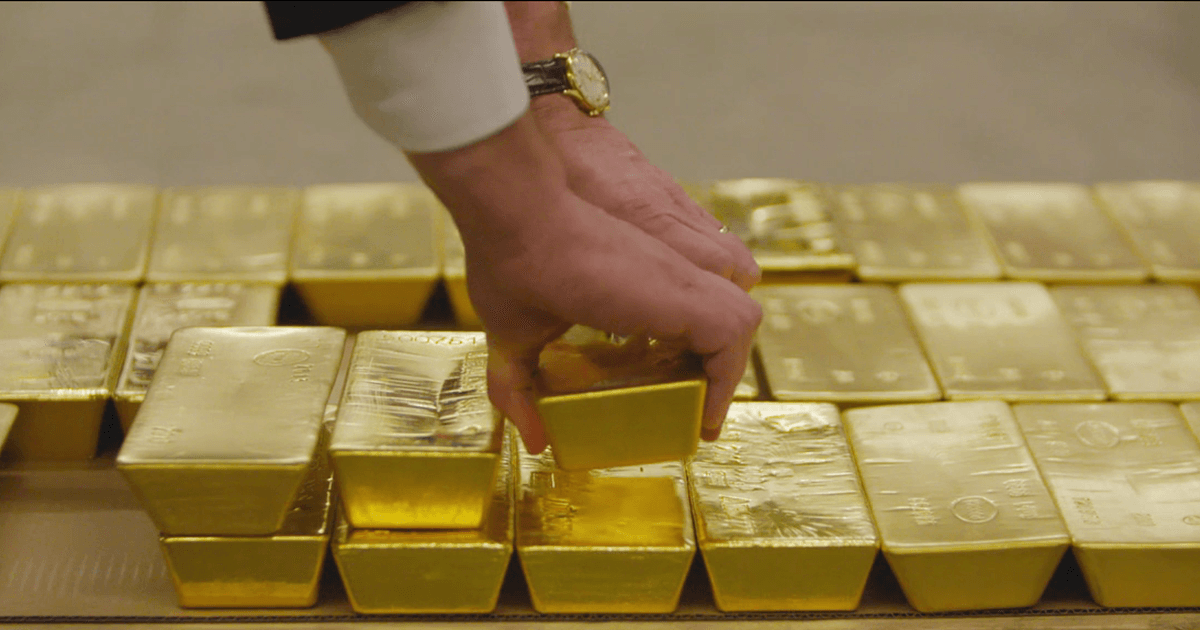
Gold prices climbed above $5,000 per ounce, marking a historic surge as geopolitical tensions linked to Iran and strong central bank buying pushed demand for the safe-haven asset to new highs. The rally has drawn global attention from investors, governments, and financial markets.
The sharp rise comes during heightened uncertainty in the Middle East, where fears of a wider conflict have increased volatility across commodities and currencies. Gold is often seen as a protective asset during times of crisis, and recent events have accelerated that trend.
Central banks have also played a major role in the rally, with several countries increasing gold reserves amid concerns about currency stability and global economic risks.
The combination of war fears, inflation worries, and reserve diversification has created one of the strongest gold price movements in decades.
Gold Price Breaks $5,000 Barrier
Gold moved above $5,000 per ounce during volatile trading, a level analysts had previously described as unlikely in the short term.
Market data showed strong buying from institutional investors as well as central banks, pushing prices higher despite already elevated levels.
Commodity strategist Daniel Hynes said geopolitical risk remains the main driver.
“When markets fear escalation in the Middle East, gold tends to rally quickly. The scale of this move shows how nervous investors are,” he said.
Traders also pointed to currency weakness in several regions, which made gold more attractive as a store of value.
Timeline: How Gold Reached Record Levels
The rally in gold did not happen overnight.
Prices had been rising steadily over the past months due to inflation concerns and interest-rate uncertainty.
The pace accelerated after reports of military conflict involving Iran, which triggered a shift toward safe-haven assets.
Large purchases by central banks followed, tightening supply in global markets.
Within days, gold crossed multiple resistance levels before moving above $5,000 per ounce.
Financial analyst Maria Lopez said the move reflects multiple pressures at once.
“This is not just about one event. War risk, inflation, and reserve diversification are all happening at the same time,” she said.
Why Iran War Fears Affect Gold Prices
Safe-haven demand rises during conflict
Gold historically rises when investors fear instability.
Conflicts in the Middle East often affect oil markets, currencies, and global trade, leading investors to move money into assets considered safer.
When uncertainty increases, demand for gold typically grows faster than supply, pushing prices higher.
Impact on oil and inflation
Tensions involving Iran can influence oil production and shipping routes, which affects global prices.
Higher oil costs can lead to inflation, and gold is often used as a hedge against rising prices.
Economist Rahul Sen said the connection is well known.
“When oil rises and geopolitical risk increases, gold usually follows. Investors want something that holds value during uncertainty,” he said.
Central Banks Buying Gold at Record Pace
One of the biggest factors behind the price surge has been strong demand from central banks.
Countries have been increasing gold reserves as part of efforts to reduce reliance on foreign currencies.
Data from market analysts shows several nations have added large amounts of gold over the past year.
This buying reduces the amount of gold available in the open market, which can push prices higher.
Experts say the trend began earlier but has intensified as global tensions increased.
Global Market Reaction
The rise in gold prices has affected several financial markets.
Stock markets showed mixed reactions as investors shifted money into commodities.
Currency markets also moved, with some currencies weakening against the dollar and others gaining due to safe-haven demand.
Precious-metal stocks and mining companies saw strong gains following the price surge.
Traders said volatility is likely to continue if geopolitical tensions remain high.
What This Means for Investors
Higher gold prices can benefit investors who already hold the metal but may create challenges for those trying to buy at current levels.
Analysts say sharp moves often lead to short-term corrections, though long-term demand could remain strong if uncertainty continues.
Financial advisers recommend caution, noting that commodity markets can change quickly.
Some experts also warn that prices driven by conflict can fall once tensions ease.
What Could Happen Next
Markets are watching developments in the Middle East closely, as further escalation could keep gold prices high.
Central bank policies will also play a key role, especially if more countries continue to increase reserves.
Investors are also monitoring inflation data and interest-rate decisions, which can influence demand for gold.
Analysts say the next few weeks could determine whether the rally continues or stabilizes.
Key Facts Summary
| Event | Location | Date | Who is affected | Current status | What readers should know |
|---|---|---|---|---|---|
| Gold price surge | Global markets | 2026 | Investors, banks | Above $5,000 | Record high |
| Iran conflict fears | Middle East | Ongoing | Global economy | Uncertain | Safe-haven demand |
| Central bank buying | Worldwide | Ongoing | Financial markets | Strong | Supply tight |
| Market reaction | Global | 2026 | Stocks, currencies | Volatile | Investors cautious |
| Future outlook | Global | Ongoing | Traders | Unclear | Depends on tensions |
FAQ
Why did gold rise above $5,000?
Geopolitical tensions, central bank buying, and inflation concerns pushed prices higher.
How does war affect gold prices?
Investors often buy gold during conflicts because it is considered a safe-haven asset.
Are central banks buying more gold?
Yes, many countries have increased gold reserves in recent years.
Will gold keep rising?
It depends on geopolitical tensions, inflation, and central bank policies.
Is gold safe during economic uncertainty?
Historically, gold has been used as a store of value during crises.
What markets are affected by gold prices?
Stocks, currencies, commodities, and mining companies can all react.
Should investors buy gold now?
Experts say investors should be cautious because prices are volatile.
CONCLUSION
Gold’s move above $5,000 per ounce reflects a rare combination of geopolitical tension, strong central bank demand, and economic uncertainty. The surge highlights how quickly markets can react when global risks increase.
Investors and policymakers will continue watching developments in the Middle East and central bank activity, as both are likely to shape the next phase of the gold market.










Leave a Comment