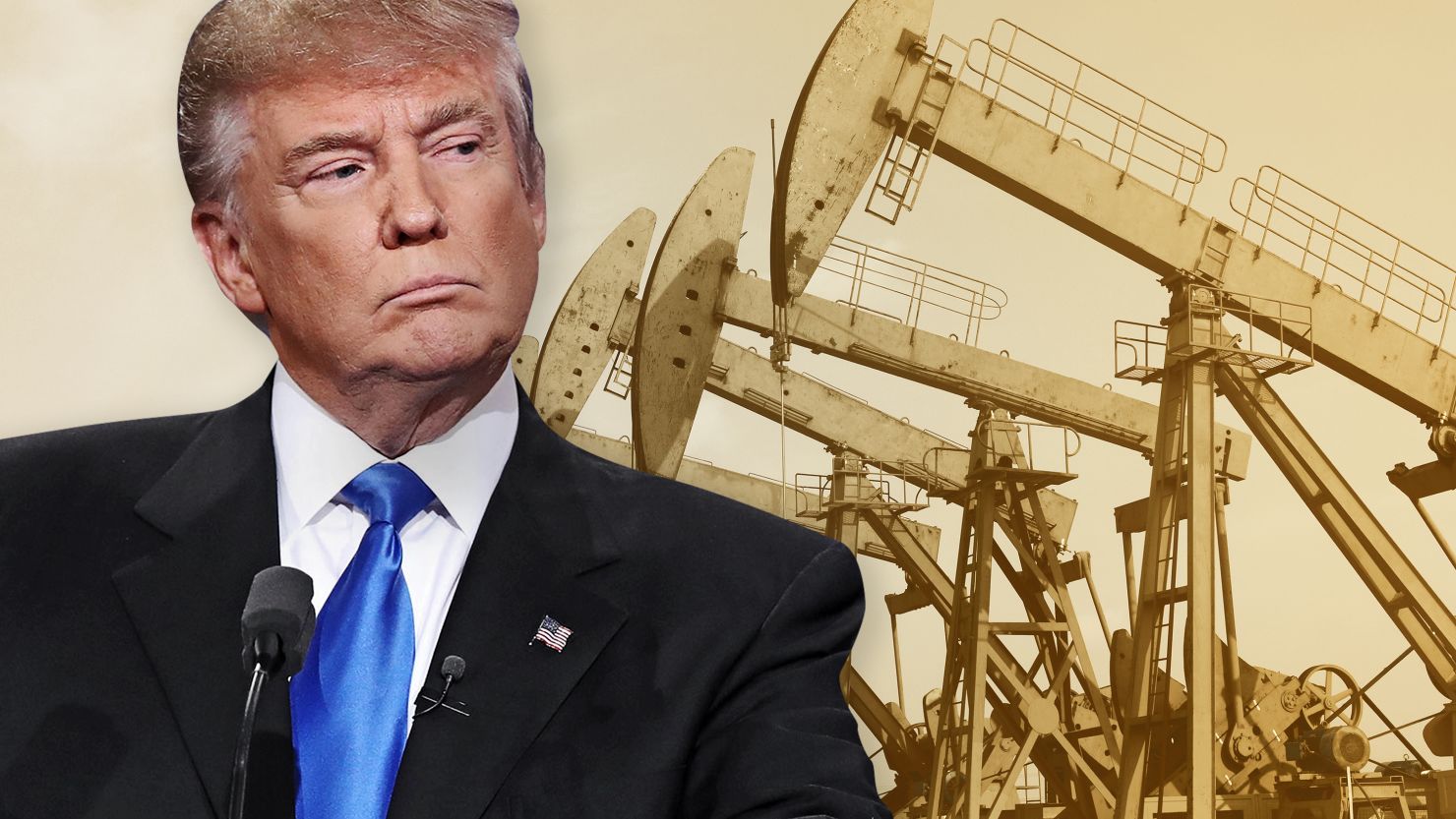
Britain’s stock market found its footing after early volatility.
Oil did not.
London equities steadied in the latest session even as crude prices climbed, reflecting investor concern that tensions involving Iran could stretch longer than initially expected. The diverging moves highlight how global conflict risks are filtering through financial markets.
For investors, the message was mixed: equity markets showed resilience, but energy markets signaled caution.
Key Facts at a Glance
| Event | Location | Date | Who Is Affected | Current Status | What Readers Should Know |
|---|---|---|---|---|---|
| UK stock market trading session | London, United Kingdom | Latest trading day | UK-listed companies, global investors | Markets stabilized | FTSE held steady despite geopolitical tension |
| Oil price movement | Global energy markets | Same session | Energy companies, consumers, global economy | Prices rose | Traders reacting to Iran conflict concerns |
| Iran conflict fears | Middle East | Ongoing | Global markets, oil supply chain | Uncertain outlook | Prolonged tensions could affect energy supply |
UK Stock Market Performance
The FTSE 100 traded in a narrow range after earlier jitters, closing relatively flat as investors weighed geopolitical developments.
Energy majors provided support as higher crude prices lifted shares in oil producers. Defensive sectors also attracted interest, helping offset weakness in more cyclical stocks.
Analysts said the lack of sharp selling suggested markets were adjusting rather than panicking.
“Equity investors appear to be taking a wait-and-see approach,” said Susannah Streeter, head of money and markets at Hargreaves Lansdown. “There’s caution, but not capitulation.”
That balance reflects a broader pattern seen across European exchanges in recent sessions.
Oil Prices Rise on Iran War Concerns
While stocks stabilized, oil markets moved higher.
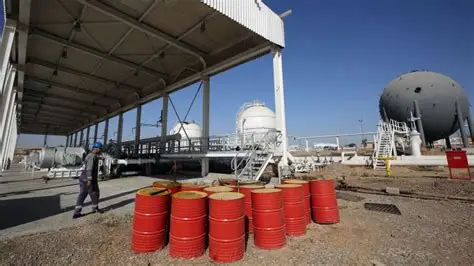
Benchmark crude futures climbed as traders assessed the risk that conflict involving Iran could disrupt supply routes or escalate across the region. Iran remains a significant player in global oil output, and tensions in the Middle East often ripple through energy markets quickly.
The global benchmark Brent Crude rose during trading, while U.S. benchmark West Texas Intermediate also advanced.
Ole Hansen, head of commodity strategy at Saxo Bank, said in a note that “the market is pricing in a risk premium tied to the possibility of a prolonged conflict.”
Energy traders are particularly sensitive to developments near key shipping lanes, including the Strait of Hormuz, through which a substantial portion of global oil passes.
Any disruption there could tighten supply and push prices higher.
Why Iran Tensions Matter to Global Markets
Iran sits at the center of one of the world’s most strategically important energy corridors.
Escalating tensions raise fears of supply interruptions, sanctions shifts, or retaliatory actions that could impact production or transportation. Even the perception of risk can move prices.
Higher oil prices feed into inflation, corporate costs, and household budgets. That is why energy markets often react before equities do.
For the UK economy, which imports a significant portion of its energy needs, sustained oil price increases could influence inflation expectations and monetary policy outlooks.
The Bank of England has been closely monitoring energy-driven inflation pressures in recent years. A renewed spike in oil prices could complicate that path.
Timeline of Market Reaction
Early Trading:
London stocks opened with mild volatility as headlines surrounding Iran circulated. Energy shares gained ground.
Mid-Session:
The FTSE 100 steadied, supported by oil producers and defensive sectors.
Oil Markets:
Crude futures continued climbing through the session, reflecting concern that tensions may not ease quickly.
Closing Bell:
UK equities finished largely stable, while oil benchmarks held onto gains.
Investor Sentiment and Market Strategy
Market participants appear cautious but not alarmed.
Global investors have seen repeated geopolitical flare-ups in recent years, and markets often absorb shocks unless supply disruptions materialize.
“There’s awareness of the risk, but investors are not yet assuming worst-case scenarios,” said Richard Hunter, head of markets at Interactive Investor. “For now, the equity market reaction has been measured.”
Still, some portfolio managers have increased exposure to energy stocks as a hedge against prolonged instability.
Safe-haven assets such as gold also saw modest support during the session.
Broader Economic Context
Oil price movements come at a sensitive time for global economies.
Inflation has cooled in several major markets, but energy remains a volatile component. A sustained rise in crude prices could feed back into transportation, manufacturing, and consumer goods costs.
Central banks, including the Bank of England, have signaled a data-driven approach to interest rates. Energy-driven inflation surprises could alter expectations.
For British households, the concern is practical. Higher crude prices often translate into increased fuel and heating costs.
Public and Market Reaction
Financial commentators noted the contrast between relatively calm equity markets and more reactive oil trading.
On social media, investors debated whether markets were underestimating geopolitical risk or correctly pricing limited disruption.
Energy companies listed in London saw modest gains, reflecting optimism that higher crude prices could support revenues.
Airline stocks, meanwhile, faced pressure due to concerns over rising fuel costs.
What Happens Next?
Much depends on developments in the Middle East.
If tensions ease, oil prices could retreat and equity markets may remain steady. If the conflict intensifies or spreads, volatility could return quickly.
Traders will also watch official statements from governments and international bodies for signals about diplomatic efforts or sanctions.
Upcoming economic data releases in the UK will offer further insight into how energy prices are influencing inflation and growth.
Frequently Asked Questions
Why did oil prices rise?
Oil prices increased due to concerns that conflict involving Iran could disrupt global supply routes or production.
How did the UK stock market respond?
The FTSE 100 stabilized after early volatility, supported by gains in energy shares.
Why does Iran matter for oil markets?
Iran is a significant oil producer located near key shipping routes. Tensions in the region can affect supply expectations.
Could higher oil prices impact UK consumers?
Yes. Rising crude prices can lead to higher fuel and energy costs, which may affect household budgets.
What role does the Bank of England play?
The Bank of England monitors inflation, including energy-driven price changes, when setting interest rates.
Are markets expecting a prolonged conflict?
Markets are pricing in some risk premium, but investors are not yet assuming a worst-case scenario.
The Bottom Line
UK stocks showed resilience in the face of geopolitical uncertainty, holding steady even as oil prices climbed on fears that Iran-related tensions could persist.
The divergence underscores how energy markets often react more sharply to conflict risk than equities.
Investors will be watching closely for developments in the Middle East, shifts in oil supply, and signals from central banks in the days ahead.










Leave a Comment