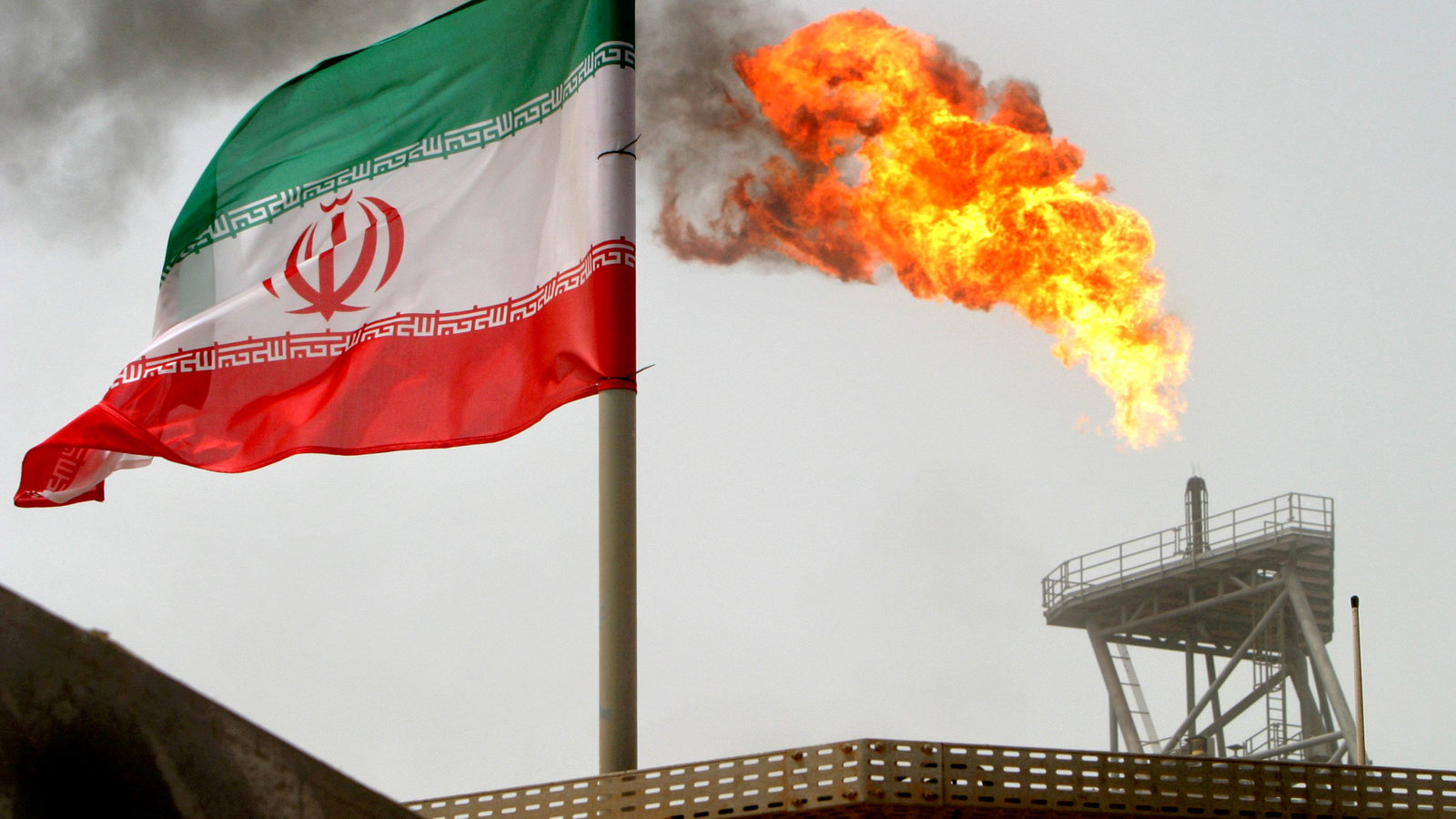
Global markets turned volatile as Iran made a leadership decision that analysts say signals defiance during a period of rising conflict in the region. The move comes as war tensions continue to affect oil prices, stock markets, and international relations.
Investors reacted quickly, with energy prices moving higher and equities showing signs of uncertainty. The leadership choice is being closely watched because Iran plays a key role in global energy supply and regional security.
The situation matters far beyond the Middle East. Any escalation involving Iran can influence fuel costs, trade routes, and financial markets worldwide.
Officials have not announced major policy changes yet, but analysts say the timing of the decision sends a clear political message.
Iran Leadership Decision Draws Global Attention
Iran’s latest leadership move has drawn strong international attention as conflict in the region continues to affect economic stability.
The announcement came while markets were already sensitive to war-related risks. Traders reacted within hours, pushing oil prices higher and sending some stock indexes lower.
Political analysts say the choice of leader suggests Iran intends to maintain its current position rather than seek compromise.
Middle East analyst Karim Sadjadpour said during a televised interview,
“Leadership signals in Iran are rarely accidental. The timing suggests the government wants to show strength, not flexibility.”
That perception alone was enough to influence market behavior.
Background: Why Iran’s Decisions Affect Global Markets
Iran is one of the world’s major oil producers and sits near key shipping routes used for global energy supply.
Any political change in Tehran can affect expectations about sanctions, exports, and regional stability.
When tensions rise, traders often expect possible disruptions, which can push oil prices higher even if supply has not changed yet.
Economist Laura Chen of Global Energy Watch said in a briefing,
“Markets react to risk, not just reality. When Iran is involved, the risk premium rises very quickly.”
That pattern has repeated several times during past conflicts.
Timeline of Events Leading to Market Reaction
The latest market shift began after reports that Iran had finalized its leadership decision during ongoing military tensions.
Shortly after the announcement, energy markets showed increased buying activity.
Oil futures climbed as investors priced in the possibility of supply disruptions or new sanctions.
Stock markets in several regions turned mixed, with energy companies rising while travel and technology shares fell.
Later in the day, analysts released notes warning that uncertainty could continue until the political situation becomes clearer.
Market strategist Daniel Harper told Bloomberg TV,
“Investors don’t like unknowns. When leadership decisions come during a conflict, volatility is almost guaranteed.”
Trading remained uneven through the session.
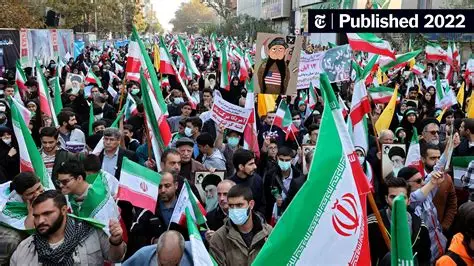
Key Facts About the Situation
| Event | Location | Date | Who is affected | Current status | What readers should know |
|---|---|---|---|---|---|
| Iran leadership decision | Tehran, Iran | Recent update | Global markets, governments | Ongoing situation | Seen as sign of defiance |
| Market reaction | Global financial markets | Same day | Investors, consumers | Volatile trading | Oil prices moved higher |
| War tensions | Middle East region | Ongoing | Energy supply, trade | Unresolved | Risk of escalation remains |
| Oil price movement | Energy markets | Current | Fuel buyers worldwide | Rising | Conflict fears push prices |
| Economic impact | Worldwide | Ongoing | Businesses, households | Uncertain | Inflation concerns return |
Official Statements and Government Responses
Iranian officials described the leadership decision as part of normal political process, without acknowledging market reaction.
State media reports focused on stability and continuity, saying the government remains committed to its current policies.
Officials in the United States and Europe said they are monitoring the situation but did not announce new measures.
A U.S. State Department spokesperson said during a briefing,
“We are watching developments closely and remain focused on regional stability.”
Financial institutions also issued notes to clients warning of possible short-term volatility.
No emergency actions have been announced, but governments are expected to keep monitoring energy markets.
Public Reaction and Investor Sentiment
Investors reacted cautiously, with many moving money into energy stocks and safe-haven assets.
Online discussion among traders showed concern that the conflict could spread or last longer than expected.
Some analysts said the market response reflects uncertainty rather than panic.
Commodity trader Alex Grant said in a market call,
“Right now it’s about risk management. Nobody wants to be caught on the wrong side if the situation escalates.”
Consumers could also feel the effects if oil prices continue to rise.
Higher fuel costs often lead to increased prices for transportation and goods.
What Happens Next
The next developments will likely depend on political signals from Iran and reactions from other countries involved in the conflict.
Markets are expected to remain sensitive to any news about sanctions, military activity, or diplomatic talks.
Energy traders will be watching shipping routes and production levels for signs of disruption.
Central banks are also paying attention because higher oil prices can slow progress on inflation.
If tensions ease, markets could stabilize.
If conflict grows, volatility may continue.
FAQ
Why did markets react to Iran’s leadership decision?
Because Iran is a major oil producer, political changes there can affect global energy supply expectations.
Did oil prices go up after the announcement?
Yes, oil prices moved higher as traders priced in possible supply risks.
Is there a new war involving Iran?
Tensions are ongoing, but no new major war announcement has been confirmed in this update.
How does this affect gas prices?
Higher oil prices can eventually lead to higher gasoline prices for consumers.
Are governments taking action?
Officials say they are monitoring the situation but have not announced new measures.
Why do conflicts affect stock markets?
War and political uncertainty increase risk, which often causes market volatility.
What should investors watch next?
Future political statements, energy supply updates, and diplomatic developments.
Conclusion
Iran’s latest leadership decision has added uncertainty to an already tense geopolitical situation, triggering reactions across global markets.
Oil prices, stock indexes, and investor sentiment all shifted as traders responded to the signal coming from Tehran. While no immediate policy change has been announced, the timing of the move has raised concerns about stability in the region.
The next updates from governments, energy producers, and financial markets will likely determine whether the current volatility continues.









Leave a Comment