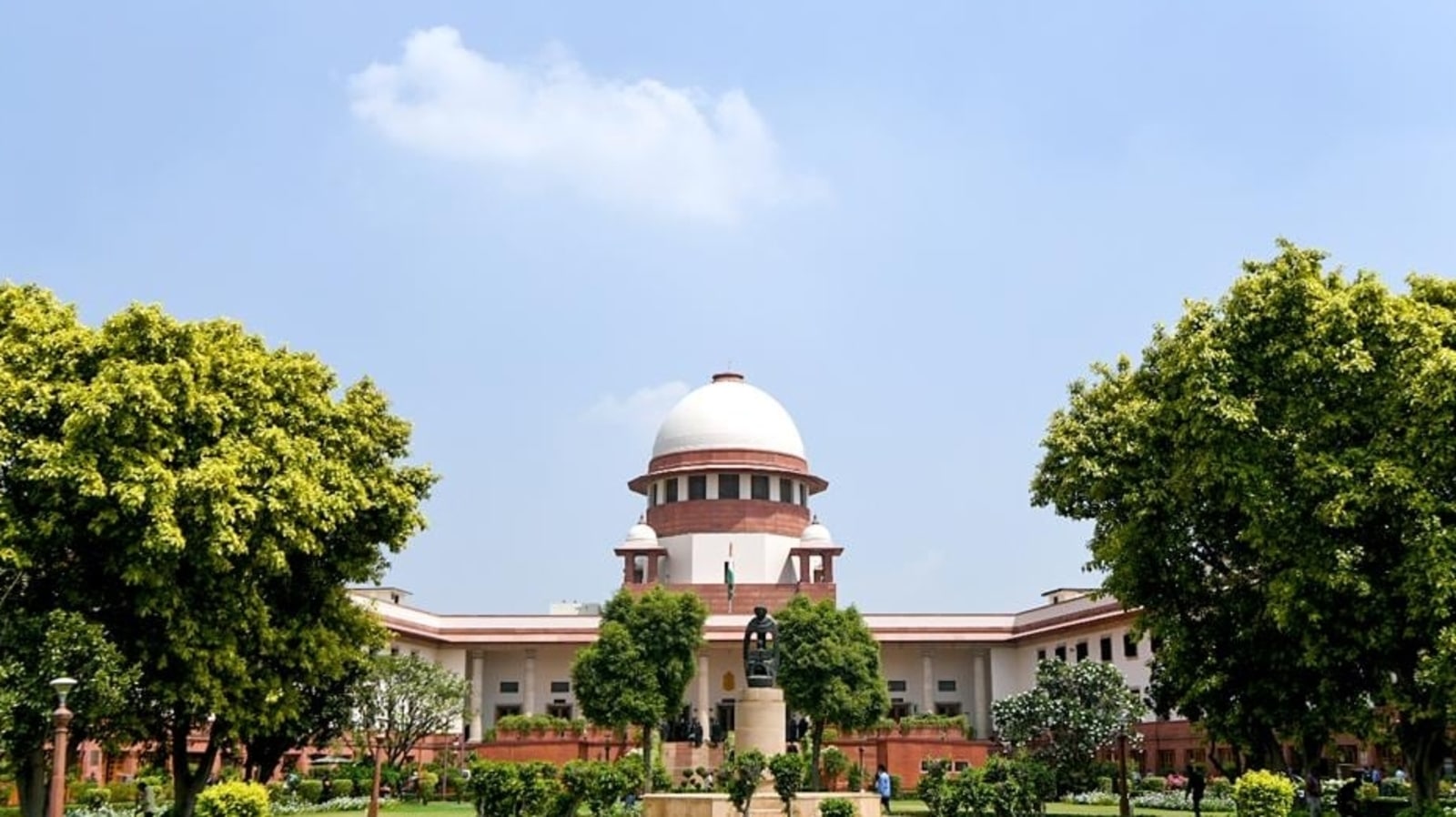
India’s Supreme Court has allowed the removal of life support for a man who has remained in a vegetative state for several years, in a ruling that touches on the country’s legal approach to end-of-life decisions. The court said the move was permitted under existing guidelines that recognize a patient’s right to die with dignity.
The decision came after family members sought permission to withdraw medical support, arguing that there was no chance of recovery. Doctors treating the patient had confirmed that his condition was irreversible.
Cases like this are rare and require approval from the courts in India, where strict legal safeguards are in place before life support can be withdrawn. The ruling has drawn attention from legal experts, doctors, and families dealing with similar situations.
Here is what the court decided, why the case reached the Supreme Court, and what the ruling means for future end-of-life cases in India.
Supreme Court Allows Withdrawal of Life Support
The Supreme Court permitted doctors to remove life support for a man who had been in a permanent vegetative state, following a petition filed by his family.
According to court records, medical reports confirmed that the patient had no realistic chance of recovery and was fully dependent on artificial support to stay alive.
The bench said the decision followed earlier rulings that allow passive euthanasia under strict conditions.
“The right to live with dignity includes the right to die with dignity in certain circumstances,” the court observed during the hearing.
The judges said the process must follow medical guidelines and legal safeguards before life support can be withdrawn.
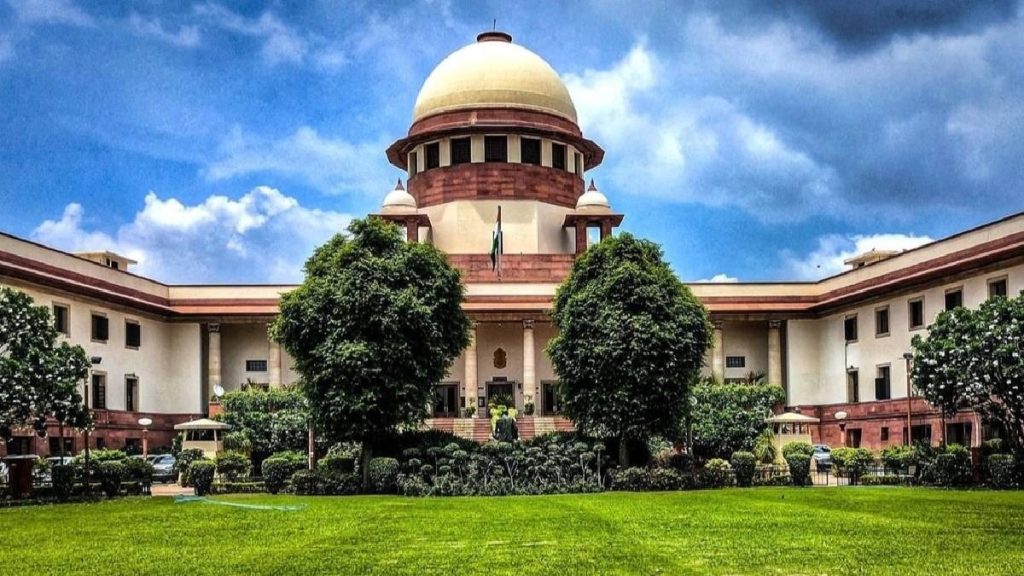
Background: India’s Legal Position on Passive Euthanasia
India does not allow active euthanasia, but the Supreme Court has previously recognized passive euthanasia in limited situations.
In earlier landmark rulings, the court allowed withdrawal of life support when a patient is terminally ill or in a permanent vegetative state, provided proper consent and medical review are obtained.
Legal experts say such cases require careful examination because they involve both constitutional rights and medical ethics.
A senior advocate familiar with the matter said the court follows strict procedures.
“The judiciary requires medical boards, family consent, and clear evidence before allowing withdrawal of life support,” the lawyer said.
These safeguards are meant to prevent misuse while respecting the patient’s dignity.
Timeline of the Case
- Patient falls into vegetative state — Several years ago
- Family approaches court — Request to withdraw support
- Medical evaluation — Doctors confirm no recovery possible
- Supreme Court hearing — Legal guidelines reviewed
- Final order — Removal of life support allowed
The court said all required steps had been followed before giving permission.
Medical Opinion Played Key Role
Doctors treating the patient submitted reports stating that his condition was irreversible and that he could not survive without artificial support.
A medical board reviewed the case before the court gave its approval.
One doctor involved in the review said the decision was based on clinical evidence.
“In such cases, the focus is on whether there is any possibility of recovery. Here, the medical opinion was clear,” the doctor said.
Courts usually rely heavily on expert medical advice in end-of-life cases.
Public and Legal Reaction to the Decision
The ruling has sparked discussion among legal experts and medical professionals about the balance between preserving life and respecting dignity.
Some lawyers said the judgment follows the court’s earlier position on passive euthanasia and does not change the law.
Others said the case highlights the need for clearer rules so families do not have to go through long legal processes.
A legal scholar commenting on the decision said:
“Such cases show why advance directives and living wills are important. They help avoid uncertainty when patients cannot speak for themselves.”
Families of long-term patients often face emotional and financial stress, which is why courts review these matters carefully.
What the Ruling Means for Future Cases
The Supreme Court said its decision does not create a new law but applies existing guidelines on passive euthanasia.
Future cases will still require court approval, medical review, and consent from family members or legal guardians.
Experts say the ruling reinforces the principle that the right to life under the Constitution also includes dignity at the end of life.
However, the court also stressed that every case must be examined individually.
Hospitals and families are expected to follow the legal process before making any decision about withdrawing life support.
KEY FACTS TABLE
| Event | Location | Date | Who is affected | Current status | What readers should know |
|---|---|---|---|---|---|
| Supreme Court ruling | India | Latest hearing | Patient, family | Life support removal allowed | Followed legal rules |
| Patient condition | Vegetative state | Several years | Family | No recovery | Medical reports filed |
| Legal basis | Passive euthanasia law | Ongoing | Courts, doctors | Allowed in limited cases | Strict safeguards |
| Medical review | Hospital board | Before ruling | Patient | Confirmed condition | Required step |
| Current status | Court order issued | Now | Family, hospital | Process allowed | Case specific |
FAQ
What did the Supreme Court decide?
The court allowed the removal of life support for a man in a permanent vegetative state.
Is euthanasia legal in India?
Active euthanasia is illegal, but passive euthanasia is allowed under strict conditions.
Why was court permission needed?
Indian law requires judicial approval before life support can be withdrawn in such cases.
What is passive euthanasia?
It means withdrawing medical treatment that keeps a patient alive when recovery is not possible.
Did doctors agree with the decision?
Medical reports confirmed the patient had no chance of recovery.
Can families decide on their own?
No. Courts must review the case before life support can be removed.
Will this change the law?
No. The ruling follows existing Supreme Court guidelines.
CONCLUSION
The Supreme Court’s decision to allow withdrawal of life support in this case follows earlier rulings that recognize the right to die with dignity under limited circumstances. The court said all legal and medical safeguards were followed before permission was granted.
As similar cases continue to come before the courts, attention is likely to remain on how India balances medical ethics, family wishes, and constitutional rights in end-of-life decisions.









Leave a Comment