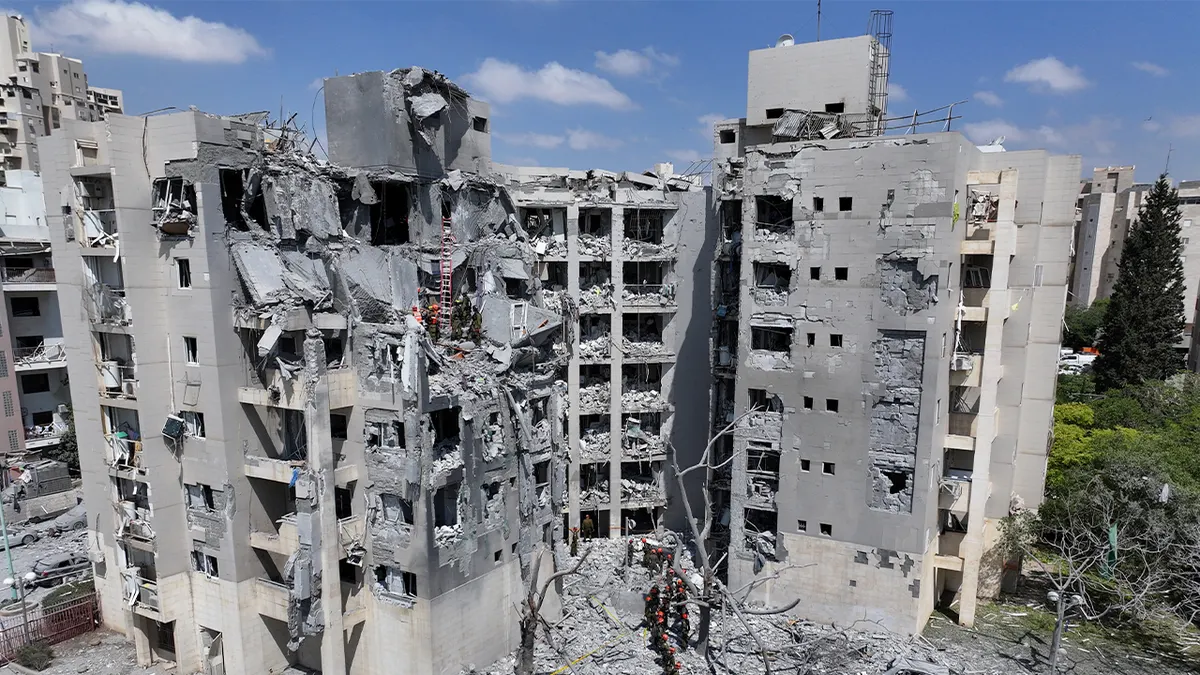
Military tensions in the Middle East escalated after strikes were reported across Tehran, while drone activity triggered alerts near Riyadh. The developments have raised concerns about a wider regional conflict involving Iran, Israel, and the United States.
Officials have not released full operational details, but reports indicate coordinated strikes targeting locations in the Iranian capital. At the same time, air defense systems were activated in Saudi Arabia after drones were detected near Riyadh.
The situation matters beyond the region. Any direct confrontation involving Iran, Israel, or the U.S. can affect global oil prices, air travel routes, and international security.
Governments across the world are monitoring the situation closely as the risk of further escalation remains high.
Strikes Reported Across Tehran
Explosions were reported in several parts of Tehran, according to local media and international monitoring groups. The strikes were described as precise attacks on selected sites, though officials have not confirmed the exact targets.
U.S. and Israeli officials have not publicly detailed the operation, but defense analysts say the pattern of strikes suggests coordinated military action.
A regional security official told reporters that the strikes appeared limited in scope.
“The operation looks targeted rather than full-scale. That usually means a warning or a response to a specific threat,” the official said.
Iranian authorities confirmed that air defenses were activated in parts of the capital.
Residents reported hearing loud blasts late at night, followed by increased military presence in several districts.
Drone Alerts Near Riyadh Raise Regional Concerns
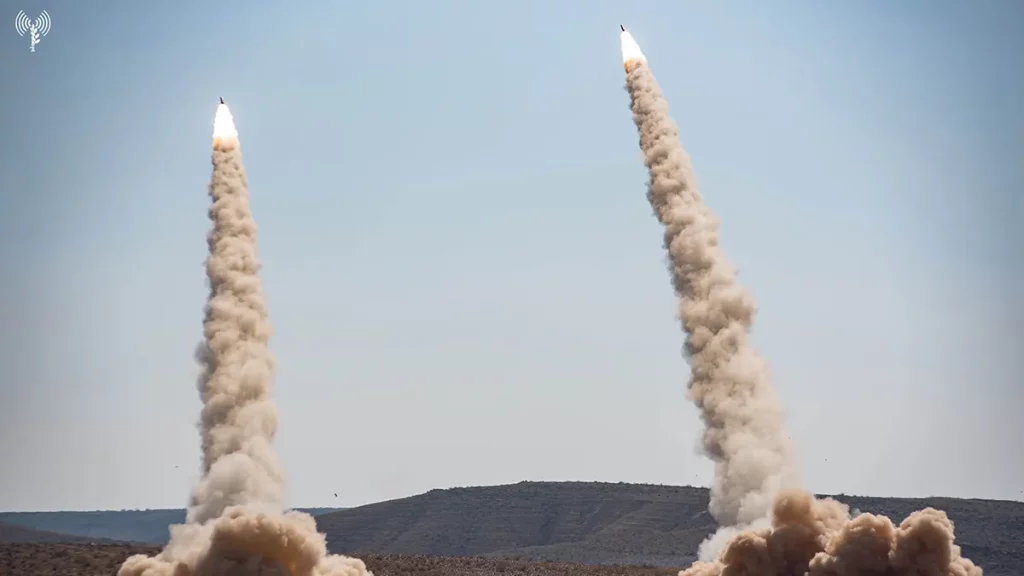
Around the same time, Saudi air defense systems detected drones near Riyadh, according to security sources.
The drones were intercepted before reaching major infrastructure, officials said. No damage or injuries were immediately reported.
Saudi Arabia has faced drone attacks in the past, often linked to regional conflicts involving Iran-backed groups. Because of that history, the latest alerts were taken seriously.
Military analyst Michael Knights said the timing of the drone activity could be significant.
“When strikes happen in Iran and drones appear near Saudi Arabia at the same time, it raises the possibility of a broader message being sent across the region,” he said.
Authorities in Riyadh increased security around airports, oil facilities, and government buildings after the alert.
Background: Rising Iran-Israel Tensions
Tensions between Iran and Israel have been rising for months, with both sides accusing each other of covert attacks and cyber operations.
Israel has repeatedly warned that it will not allow Iran to expand its military presence in the region. Iran, meanwhile, has said it will respond to any direct attack.
The United States has also increased its military presence in the region in recent weeks, citing security concerns.
Defense officials previously said the deployment was meant to deter escalation, but the latest strikes suggest the situation remains unstable.
Middle East expert Daniel Byman said the conflict often unfolds in limited actions rather than open war.
“Most of these confrontations stay below the level of full conflict, but each incident increases the risk of something bigger,” he said.
Timeline of Recent Events
The latest strikes follow several weeks of heightened military activity in the region.
Earlier reports mentioned increased surveillance flights and naval movements near the Persian Gulf.
Diplomatic talks aimed at reducing tensions have made little progress, according to officials familiar with the discussions.
The reported strikes in Tehran mark one of the most direct incidents involving the Iranian capital in recent months.
Security alerts near Riyadh happened within hours of the explosions in Tehran, adding to concerns about coordination or retaliation.
Governments in Europe and Asia issued travel advisories after the reports.
Public Reaction and Global Response
Citizens in Tehran shared videos online showing flashes in the sky and the sound of explosions, though authorities urged people not to spread unverified information.
In Saudi Arabia, residents reported hearing sirens in parts of Riyadh after the drone alert.
The U.S. State Department said it is monitoring the situation and urged citizens in the region to follow local safety instructions.
Several airlines reviewed flight routes over the Middle East following the reports, a step often taken during military incidents.
Energy markets also reacted quickly, with oil prices rising in early trading due to fears of supply disruption.
Economist Laura Cooper said even limited strikes can affect global markets.
“Any conflict involving Iran has the potential to impact oil supply, and that immediately affects prices worldwide,” she said.
What Happens Next
Military officials have not announced further operations, but analysts say the situation remains tense.
Iran could respond to the strikes, either directly or through allied groups in the region. Israel and the United States are expected to keep defenses on high alert.
Diplomatic efforts may increase in the coming days as governments try to prevent the conflict from expanding.
For now, security agencies across the Middle East remain on alert, and international leaders continue to call for restraint.
Key Facts Table
| Event | Location | Date | Who is affected | Current status | What readers should know |
|---|---|---|---|---|---|
| Strikes reported | Tehran, Iran | Latest updates | Residents, military | Under investigation | Exact targets unclear |
| Drone alerts | Riyadh, Saudi Arabia | Same day | Civilian areas | Intercepted | No damage reported |
| Military tension | Middle East | Ongoing | Multiple countries | High alert | Risk of escalation |
| Global reaction | Worldwide | Ongoing | Markets, travel | Monitoring | Oil prices rising |
| Security measures | Regionwide | Current | Airports, oil sites | Increased | Safety checks active |
FAQ
What happened in Tehran?
Explosions were reported after strikes believed to be linked to U.S.-Israeli military action.
Were drones actually launched near Riyadh?
Saudi air defenses detected drones and intercepted them before any damage occurred.
Is there a war between Iran and Israel?
There is no full war, but tensions and limited military actions have increased.
Why is the U.S. involved?
The U.S. has military forces in the region and often supports Israel on security matters.
Could this affect oil prices?
Yes, conflicts involving Iran can impact global oil supply and energy markets.
Are flights being canceled?
Some airlines are reviewing routes, but widespread cancellations have not been confirmed.
What should people watch next?
Officials are watching for possible retaliation or further strikes in the region.
Conclusion
The reported strikes in Tehran and drone alerts near Riyadh show how quickly tensions in the Middle East can escalate. While the situation has not turned into full-scale conflict, the involvement of multiple countries has increased global concern.
Security officials continue to monitor developments closely, and further updates are expected as governments respond to the latest incidents.









Leave a Comment