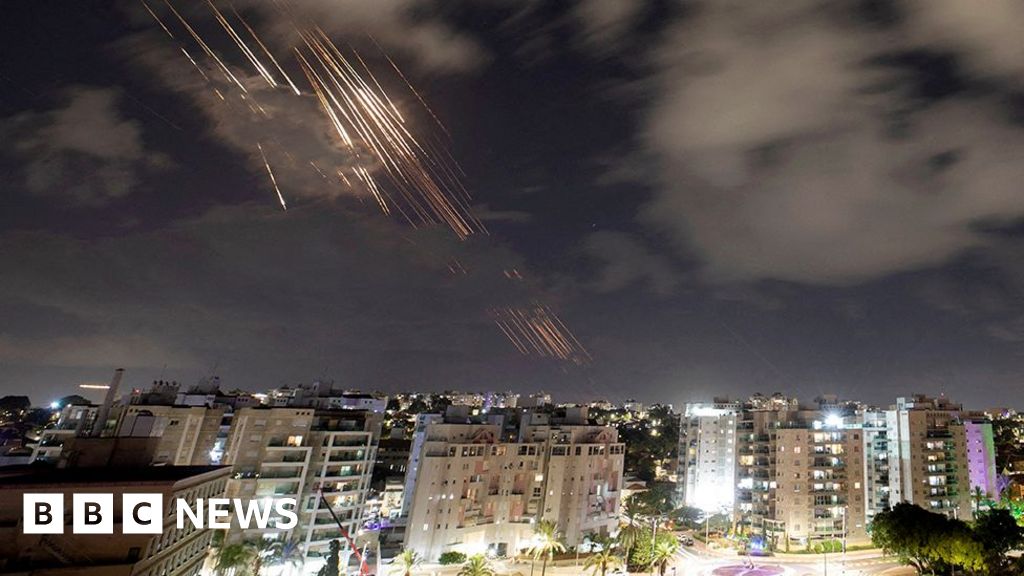
The conflict between Israel and Iran widened overnight.
The Israeli military said it carried out “simultaneous strikes” in Beirut, Lebanon, and Tehran, Iran, marking a sharp escalation in regional tensions. Shortly afterward, the United States temporarily closed its embassy in Riyadh, Saudi Arabia, following what officials described as an attack near the diplomatic compound.
The developments have raised fears of broader instability across the Middle East, with multiple capitals now directly or indirectly affected.
Governments are urging caution as security assessments continue.
Key Developments at a Glance
| Event | Israeli strikes on Beirut and Tehran; U.S. embassy closure in Riyadh |
|---|---|
| Location | Beirut (Lebanon), Tehran (Iran), Riyadh (Saudi Arabia) |
| Date | Latest developments in ongoing conflict |
| Who is affected | Civilians, regional governments, diplomatic missions |
| Current status | Heightened military activity; embassy temporarily closed |
| What readers should know | Regional tensions escalating; diplomatic and security responses underway |
Israeli Military Confirms Strikes in Beirut and Tehran
The Israeli Defense Forces (IDF) announced it had conducted coordinated operations targeting what it described as strategic sites linked to hostile activity.
In a statement, the military said the strikes were “simultaneous and precise,” though it did not immediately provide detailed casualty figures.
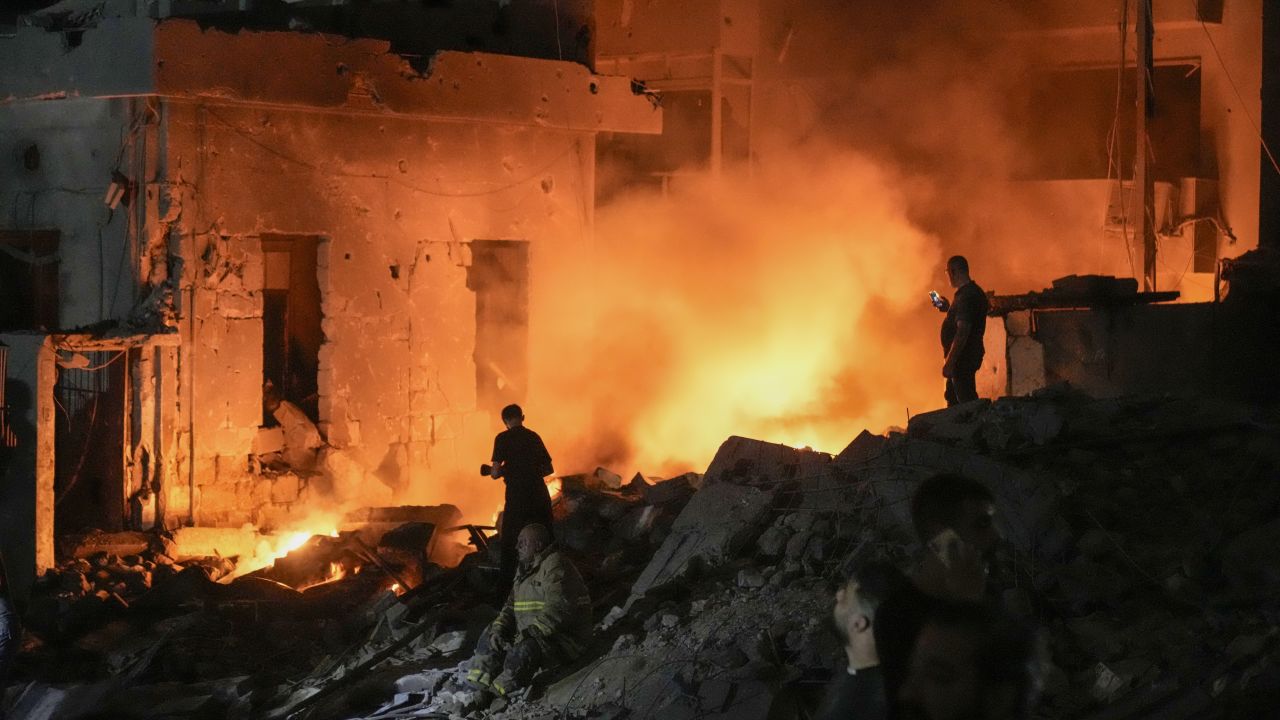
Explosions were reported in parts of Beirut and Tehran, according to local media. Footage circulating on regional networks showed plumes of smoke rising over urban areas.
An Israeli military spokesperson said, “These operations were conducted in response to ongoing threats and are part of our broader defensive strategy.”
Authorities in both Lebanon and Iran have not released comprehensive damage assessments.
U.S. Embassy in Riyadh Closes After Attack
The U.S. Embassy in Riyadh announced a temporary suspension of operations following what officials described as an attack in the vicinity of the compound.
In a statement posted on its official channels, the embassy said it was “closely monitoring the security situation” and would remain closed until further notice.
The U.S. State Department confirmed the closure, citing security concerns.
“We are taking precautionary steps to ensure the safety of our personnel,” a State Department spokesperson said. “We will reassess as conditions evolve.”
Saudi authorities have not released detailed information about the incident near the embassy.
Background: Rising Israel-Iran Tensions
Tensions between Israel and Iran have been building for months.
Both nations have accused each other of direct and proxy attacks across the region. Israel has frequently cited Iranian-backed groups operating in Lebanon and Syria as security threats.
Lebanon’s capital, Beirut, has long been viewed as a strategic location due to the presence of Hezbollah, a group Israel considers hostile and aligned with Tehran.
Iran, meanwhile, has warned of retaliation if Israeli operations continue within its territory.
This latest exchange marks one of the most geographically expansive escalations in recent months.
Timeline of the Latest Escalation
Early Hours
Reports of explosions emerged from Tehran and Beirut. Israeli military officials later confirmed the strikes.
Shortly After
Regional media outlets reported increased air defense activity in both cities.
Embassy Announcement
The U.S. Embassy in Riyadh announced temporary closure following an incident near its premises.
Diplomatic Monitoring
U.S. and regional officials said they were evaluating the situation and considering next steps.
Regional and International Reaction
Governments across the Middle East responded cautiously.
Lebanon’s officials condemned the strike on Beirut, calling it a violation of sovereignty. Iranian state media described the attack on Tehran as an act of aggression.
The United Nations called for restraint.
UN Secretary-General António Guterres urged “maximum restraint to avoid a wider regional conflict,” according to a statement released by his office.
European Union foreign policy chief Josep Borrell also called for de-escalation, warning that further escalation could destabilize global energy and trade routes.
Security Concerns and Civilian Impact
Residents in parts of Beirut and Tehran reported loud explosions and temporary power disruptions.
Local authorities in both cities advised residents to avoid affected areas as emergency crews assessed damage.
Air travel in some regional airports experienced brief delays, though operations largely continued.
Security alerts were issued by several foreign embassies advising their citizens to remain vigilant.
Broader Implications for the Region
The latest escalation comes amid already fragile stability in the Middle East.
Energy markets are closely watching developments, given the region’s role in global oil supply.
Diplomatic observers note that simultaneous strikes across multiple capitals increase the risk of retaliatory measures.
Michael Knights, a Middle East security expert at The Washington Institute, said in a televised interview, “When operations cross borders in this way, it narrows diplomatic space and raises the stakes significantly.”
So far, there has been no formal announcement of broader mobilization by other regional actors.
What Happens Next?
Military officials in Israel indicated they are prepared for potential responses.
Iranian leaders have not yet publicly outlined specific countermeasures, though state media signaled that retaliation remains under consideration.
The U.S. Embassy in Riyadh has not provided a timeline for reopening.
Diplomatic channels are reportedly active behind the scenes, with several governments urging restraint.
Analysts say the coming days will be critical in determining whether the situation stabilizes or expands further.
Frequently Asked Questions (FAQ)
1. What did Israel announce?
Israel said it carried out simultaneous strikes in Beirut and Tehran targeting strategic sites.
2. Why did the U.S. Embassy in Riyadh close?
The embassy temporarily closed after an attack occurred near the diplomatic compound.
3. Were there casualties reported?
Detailed casualty figures have not yet been officially confirmed.
4. How are Lebanon and Iran responding?
Both countries have condemned the strikes and are assessing damage.
5. Is this considered a major escalation?
The cross-border nature of the strikes has raised concerns about broader regional instability.
6. When will the U.S. Embassy reopen?
No reopening date has been announced; officials are monitoring the situation.
Conclusion
The announcement of simultaneous Israeli strikes in Beirut and Tehran, followed by the temporary closure of the U.S. Embassy in Riyadh, marks a significant moment in an already tense regional conflict.
Governments and international organizations are calling for restraint as security assessments continue.
The next phase will likely depend on diplomatic efforts and whether retaliatory actions occur in the coming days.
Observers across the region and beyond will be watching closely.









Leave a Comment