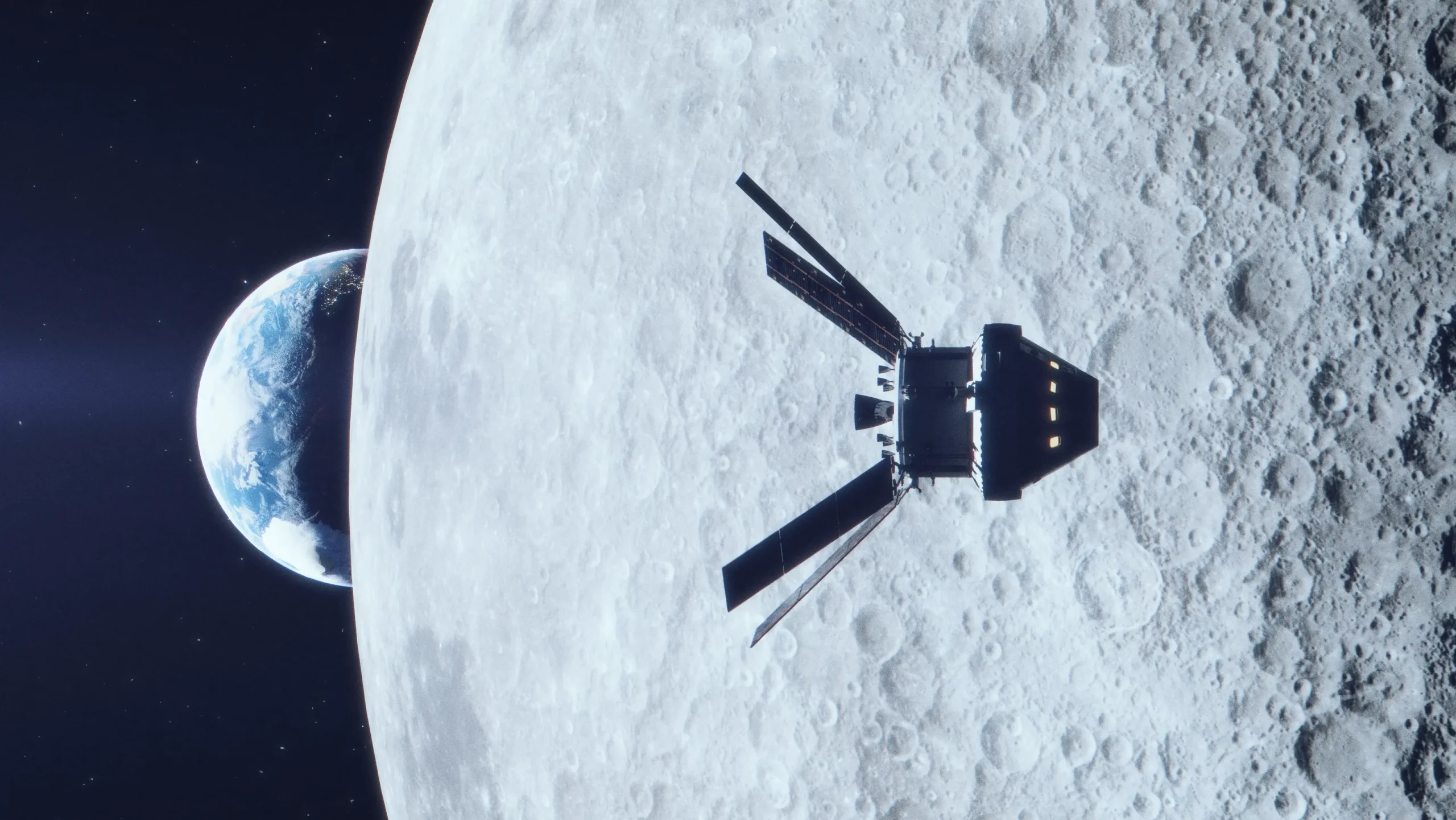
A NASA spacecraft has made an uncontrolled plunge back toward Earth, prompting monitoring efforts from space agencies tracking its reentry path. Officials said the object returned without active guidance, meaning its landing location could not be precisely predicted.
The spacecraft, which had been in orbit after completing its mission, reentered Earth’s atmosphere earlier than planned. Experts say such uncontrolled reentries are rare but not unheard of, especially when older spacecraft lose power or fuel.
Authorities stressed that the risk to people on the ground remains low, but tracking teams followed the descent closely to determine where debris might fall.
The incident has drawn attention to the growing number of objects in orbit and the challenges of safely bringing spacecraft back to Earth.
Key Facts Summary
| Event | NASA spacecraft uncontrolled reentry |
|---|---|
| Location | Earth orbit / reentry zone unknown |
| Date | March 2026 |
| Who is affected | Space agencies, aviation authorities, public |
| Current status | Spacecraft reentered atmosphere |
| What readers should know | Low risk but monitored closely |
What Happened During the NASA Spacecraft Reentry
NASA confirmed that one of its spacecraft returned to Earth without controlled navigation after losing the ability to guide its descent.
When a spacecraft performs a controlled reentry, engineers use thrusters to direct it toward a safe ocean area. In this case, the vehicle did not respond to commands, leading to what officials described as an uncontrolled plunge.
A NASA spokesperson said the situation had been expected after the spacecraft stopped functioning.
“We were aware that the vehicle would eventually reenter the atmosphere without control, and tracking systems were in place to monitor the descent,” the spokesperson said.
Most of the spacecraft was expected to burn up during reentry due to extreme heat.
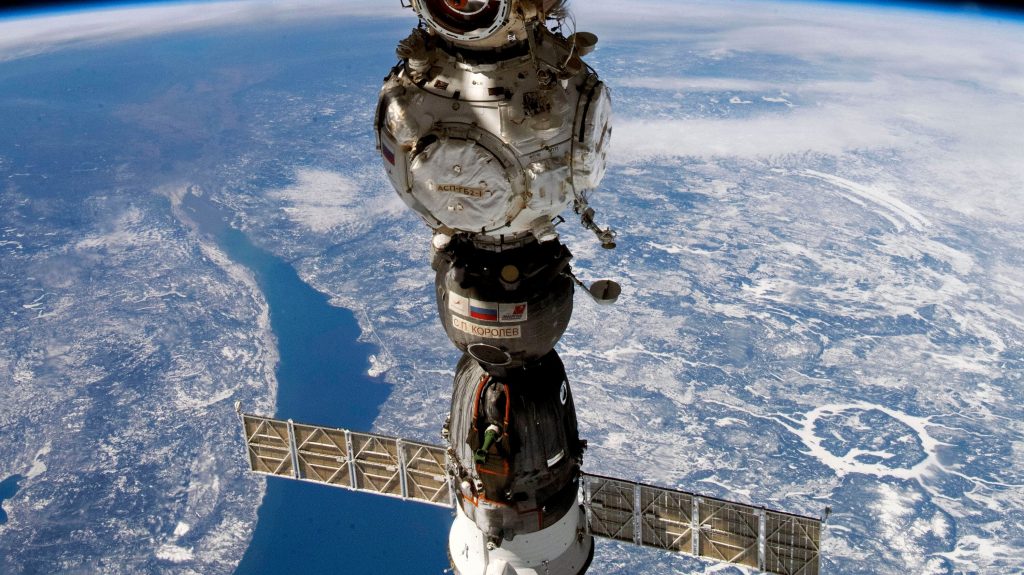
Background: Why Spacecraft Sometimes Fall Back to Earth
Spacecraft placed in low Earth orbit do not stay there forever.
Over time, gravity and atmospheric drag pull them closer to the planet. If a spacecraft no longer has fuel or power to maintain its orbit, it slowly descends until it reenters the atmosphere.
NASA and other space agencies usually plan the end of a mission carefully to avoid risk to people on the ground.
Space safety expert Daniel Carter said uncontrolled returns are uncommon but possible.
“Older satellites and spacecraft can lose communication or power, which makes controlled reentry impossible,” he said.
In most cases, the debris falls into the ocean or remote areas.
Timeline of Events Leading to the Uncontrolled Descent
According to officials, the spacecraft had completed its mission some time ago and remained in orbit.
Engineers had been monitoring its position after communication problems were reported.
Eventually, the spacecraft began losing altitude faster than expected.
Tracking systems from NASA and international space agencies followed the object as it entered the upper atmosphere.
A space operations analyst said the timing of reentry can be difficult to predict.
“Even a small change in altitude or speed can shift the landing zone by thousands of miles,” the analyst said.
The spacecraft finally broke apart as it passed through the atmosphere.
Was There Any Danger to People on Earth?
Officials said the risk to the public was very low.
Most spacecraft burn up before reaching the ground, with only small fragments sometimes surviving.
NASA said safety assessments are done before reentry to estimate the chance of debris causing harm.
A statement from space tracking authorities said:
“The probability of injury from space debris is extremely small, but monitoring is always required for safety.”
No injuries or damage had been reported after the reentry.
Airspace authorities were also informed in advance so aircraft could avoid the predicted path.
Growing Concern Over Space Debris
The incident has renewed discussion about the increasing number of satellites and spacecraft orbiting Earth.
As more missions are launched, the chance of uncontrolled reentry events may rise.
Space agencies are working on new rules to ensure spacecraft can be safely removed from orbit at the end of their missions.
Experts say future designs may require automatic systems to guide vehicles back even if communication is lost.
Space policy researcher Linda Gomez said the issue is becoming more important.
“With more objects in orbit, managing reentry safely is one of the biggest challenges for space agencies,” she said.
Several international groups are now studying ways to reduce space debris.
What Happens Next
NASA said it will review the event to understand why the spacecraft could not perform a controlled descent.
Such reviews are standard after any unexpected reentry.
Engineers will study tracking data, communication records, and the spacecraft’s final orbit.
The findings could be used to improve safety rules for future missions.
Officials also said they will continue working with international partners to monitor objects in orbit and prevent risks on Earth.
For now, the reentry has ended without reported damage, but the event serves as a reminder of the need for careful space traffic management.
FAQ
What spacecraft fell back to Earth?
NASA confirmed one of its older spacecraft reentered the atmosphere without control.
What does uncontrolled reentry mean?
It means the spacecraft could not be guided to a specific landing area.
Was anyone hurt?
No injuries or damage have been reported.
Why do spacecraft fall back to Earth?
Gravity and atmospheric drag slowly pull objects out of orbit.
Can space debris hit people?
It is possible but extremely rare.
How do agencies track reentry?
Using radar, satellites, and ground-based tracking systems.
Will this happen again?
Experts say uncontrolled reentries can happen, but safety monitoring reduces risk.
Conclusion
The uncontrolled return of a NASA spacecraft to Earth ended without reported damage, but the event highlights the challenges of managing objects in orbit. As more missions are launched, safe reentry planning has become a major focus for space agencies around the world.
Officials are expected to review the incident and use the data to improve future spacecraft operations. Observers will be watching for updates as space agencies continue efforts to reduce debris and prevent risks during reentry.











Leave a Comment