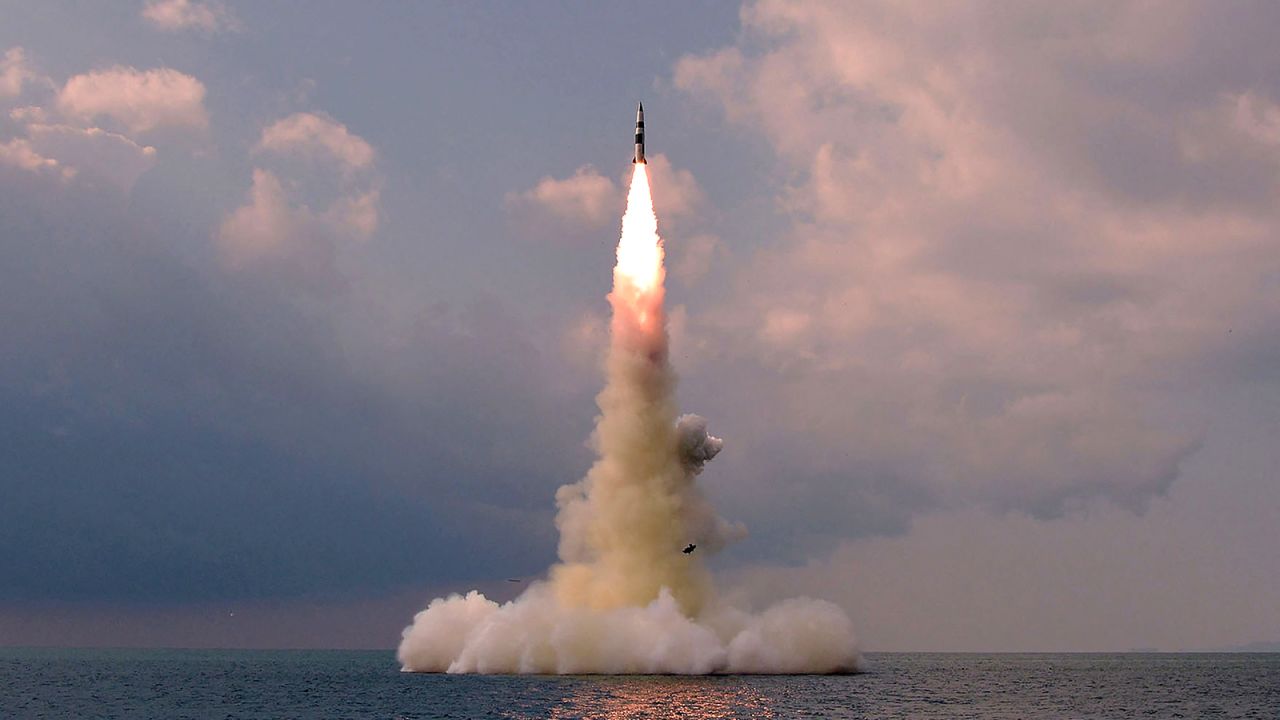
North Korea fired around ten ballistic missiles toward the Sea of Japan, according to South Korea’s Joint Chiefs of Staff, in a move that comes amid rising tension on the Korean Peninsula. The launches were detected early in the afternoon and are being closely monitored by South Korean and U.S. defense officials.
Military authorities in Seoul said the missiles were launched from the Sunan area near Pyongyang and traveled toward the East Sea, the term used in Korea for the Sea of Japan. The test followed warnings from North Korea about possible “serious consequences” linked to ongoing joint military exercises between South Korea and the United States.
Missile launches by North Korea are watched closely because they can affect regional security and diplomatic relations in East Asia. The latest test comes during a period of heightened military activity in the region.
Officials said the situation remains under review, with defense agencies analyzing the range and type of the missiles.
Missile launch detected from Sunan area near Pyongyang
South Korea’s Joint Chiefs of Staff said the missiles were detected at about 1:20 p.m. local time. Radar systems tracked multiple projectiles fired from the Sunan region, which has been used in previous weapons tests.
Authorities did not immediately confirm the exact type of missiles but described them as ballistic projectiles. Such weapons are typically monitored because they can travel long distances and carry different types of payloads.
A South Korean defense official said the military is maintaining close coordination with allies.
“Our military has strengthened surveillance and is working closely with the United States while maintaining readiness,” the Joint Chiefs of Staff said in a statement.
Japan’s defense ministry also confirmed that it was monitoring the launch and assessing whether the missiles entered its exclusive economic zone.
Launch follows warning over U.S.–South Korea military exercises
The missile test came shortly after North Korea criticized the annual joint military drills conducted by South Korea and the United States. Pyongyang has long opposed the exercises, calling them a threat to its security.
State media in North Korea had warned that the drills could bring “terrible consequences,” a phrase often used before weapons tests or military demonstrations.
Security analysts said the timing of the launch suggests a direct response to the exercises.
“North Korea frequently reacts to joint drills with missile tests. It’s a pattern seen many times over the years,” a regional security expert said.
The annual exercises involve troop training, air operations, and naval activity designed to improve coordination between allied forces.
Background: History of missile tests and regional tension
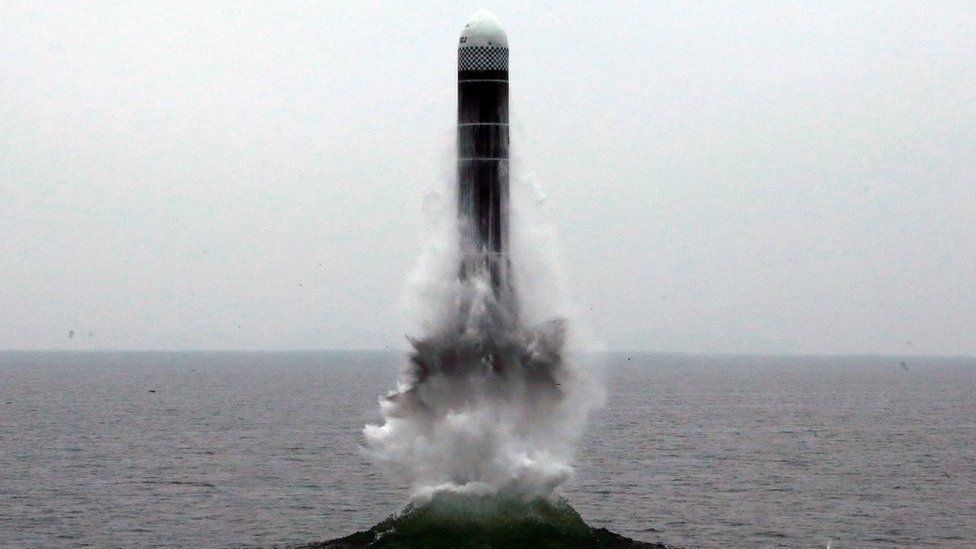
North Korea has conducted numerous missile launches in recent years, often during periods of political or military tension.
The country says its weapons program is necessary for self-defense, while the United States, South Korea, and Japan say the tests violate international agreements.
Ballistic missile launches are especially sensitive because they can be used to deliver nuclear weapons.
Diplomatic talks aimed at limiting North Korea’s weapons program have stalled in recent years, leading to repeated cycles of testing and condemnation.
A former defense official said the current situation fits a familiar pattern.
“When diplomacy slows down, missile activity tends to increase. It’s part of the pressure strategy used by Pyongyang,” the official said.
Because of that history, every launch is closely analyzed by regional governments.
Timeline of the latest missile launch
- Morning — Joint U.S.–South Korea military exercise continues
- Earlier warning — North Korea criticizes drills
- 1:20 p.m. — Missiles detected from Sunan area
- Multiple projectiles tracked toward East Sea
- South Korea and Japan begin analysis
Officials said no immediate damage was reported, and the missiles appeared to land in open water.
Authorities are continuing to review radar data to determine the range and altitude of the launches.
Regional response and international reaction
South Korea said its military remains on alert and is prepared to respond to further launches if necessary.
Japan’s government said it is working with allies to gather more information.
U.S. officials also said they are aware of the launch and are consulting with regional partners.
Security experts said the reaction is likely to include diplomatic protest but not immediate military action.
Public reaction in South Korea has been cautious, with many residents used to periodic missile tests but still concerned about the risk of escalation.
Some analysts said the latest launch shows that tensions remain unresolved despite previous negotiations.
Key facts summary
| Event | Location | Date | Who is affected | Current status | What readers should know |
|---|---|---|---|---|---|
| Missile launch | North Korea | Latest update | South Korea, Japan, U.S. | Confirmed | About 10 missiles fired |
| Launch site | Sunan area | Same day | Regional military | Under review | Near Pyongyang |
| Direction | Sea of Japan / East Sea | Same day | Maritime region | No damage reported | Landed in water |
| Cause | Military drill tension | Ongoing | Korean Peninsula | Sensitive | Warning issued earlier |
| Response | South Korea, U.S., Japan | Ongoing | Governments | Monitoring | Situation under analysis |
What could happen next
Defense officials said more information will be released after the missiles are fully analyzed.
Additional launches are possible if tension linked to military exercises continues. Analysts said future developments will depend on both diplomatic talks and military activity in the region.
Governments in South Korea, Japan, and the United States are expected to keep monitoring the situation closely.
For now, the focus remains on confirming the type of missiles and assessing whether the launch signals further escalation.
FAQ
How many missiles did North Korea launch?
South Korea’s military said about ten ballistic missiles were fired.
Where were the missiles launched from?
They were detected from the Sunan area near Pyongyang.
Where did the missiles go?
They traveled toward the Sea of Japan, also called the East Sea in Korea.
Why did North Korea launch missiles?
The launch followed warnings about joint U.S.–South Korea military exercises.
Did the missiles cause damage?
No damage has been reported.
Is the situation dangerous right now?
Officials said the situation is being monitored and remains under review.
Will there be more missile tests?
Analysts say it depends on future tension and military activity.
Conclusion
North Korea’s launch of multiple ballistic missiles toward the Sea of Japan has added to rising tension on the Korean Peninsula, coming shortly after warnings over joint military exercises by South Korea and the United States. Officials in the region are continuing to analyze the launches while maintaining military readiness.
Further updates are expected as defense agencies confirm details about the missiles and monitor any additional activity in the coming days.











Leave a Comment