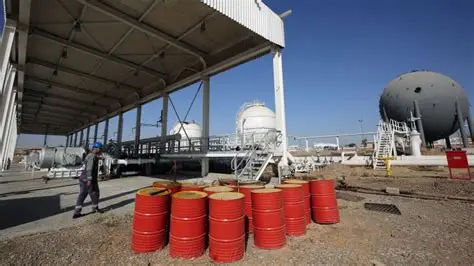
Oil prices are rising again, and analysts say the climb may not be over. New forecasts suggest crude could move higher in the coming weeks, driven by supply concerns and global uncertainty.
Market watchers say the situation matters beyond the energy sector. Higher oil prices often lead to more expensive gasoline, increased shipping costs, and renewed pressure on inflation.
Recent trading activity has pushed crude prices upward as investors react to geopolitical risks and production limits from major exporters. Some analysts say the market is entering a period where prices could move quickly.
The warning comes as governments and central banks continue to monitor energy costs, which remain a key factor in economic stability worldwide.
Oil Prices Rise as Supply Concerns Return to Market
Oil markets have turned volatile again, with benchmark crude prices moving higher amid renewed worries about global supply.
Analysts say the latest gains are tied to a mix of production limits, geopolitical tensions, and stronger-than-expected demand forecasts.
Brent crude and U.S. West Texas Intermediate have both climbed in recent sessions, bringing prices closer to levels not seen in months.
Energy strategist Paul Donovan said in a research note,
“The oil market is sensitive right now. Small changes in supply expectations can move prices quickly.”
That sensitivity has led some analysts to warn that further increases are possible if current conditions continue.
Background: Why Oil Prices Matter for the Global Economy
Oil prices affect more than fuel costs. They influence transportation, manufacturing, food prices, and overall inflation.
When crude becomes more expensive, companies often pass those costs to consumers. This can slow economic growth and make it harder for central banks to control inflation.
In recent years, oil markets have been shaped by production decisions from major exporters, especially members of the OPEC+ alliance.
OPEC+ has limited output at times to support prices, while global demand has remained steady.
Energy economist Sarah Klein said during a market briefing,
“Oil is still one of the biggest drivers of inflation expectations. When prices move sharply, policymakers pay attention.”
That is one reason the latest price surge is drawing concern.
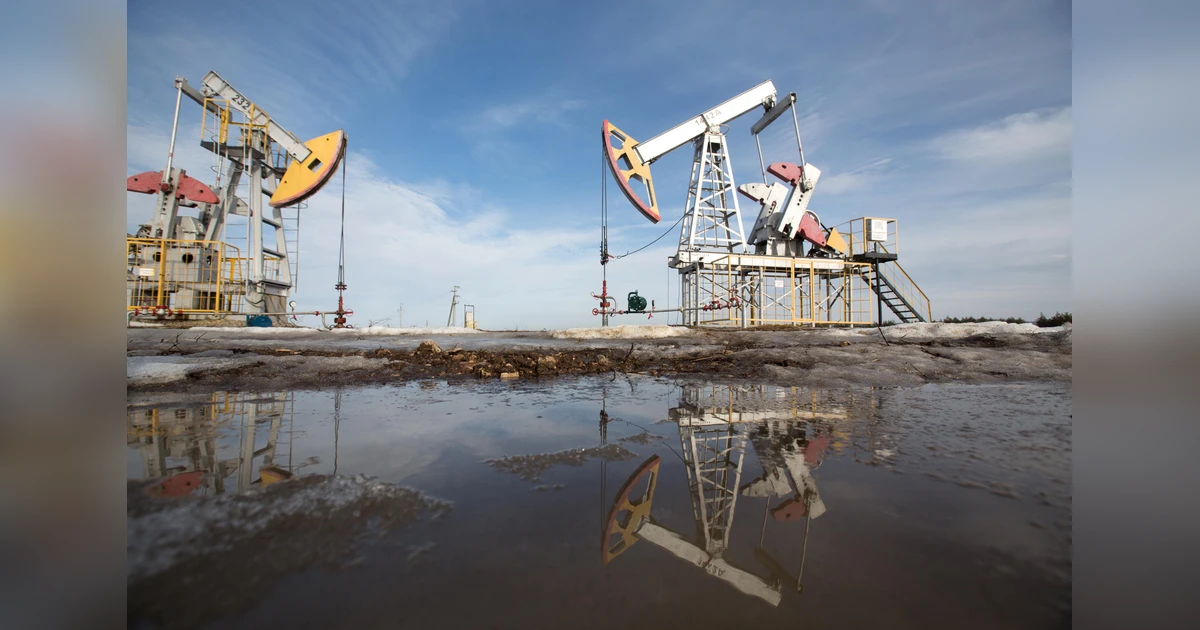
Timeline of Recent Oil Price Moves
Prices began moving higher after reports that some producers would maintain output cuts longer than expected.
Traders also reacted to geopolitical tensions in key energy-producing regions, which raised fears of supply disruptions.
Demand forecasts have also increased, particularly in Asia, where consumption has been stronger than predicted.
Over the past several trading sessions, crude prices have climbed steadily, with analysts noting increased buying from investors.
Market analyst David Lennox told Reuters,
“If supply stays tight and demand holds, there is room for prices to move higher. The ceiling is not clear right now.”
That uncertainty has led to warnings that the market could remain volatile.
Key Facts About the Oil Price Surge
| Event | Location | Date | Who is affected | Current status | What readers should know |
|---|---|---|---|---|---|
| Oil price increase | Global markets | Recent trading sessions | Consumers, businesses, investors | Prices rising | Gas and transport costs may increase |
| Supply concerns | OPEC+ countries | Ongoing | Energy producers | Output limits remain | Production cuts support prices |
| Demand growth | Asia, global economy | Current forecasts | Importing nations | Demand steady | Strong demand pushes prices up |
| Inflation impact | Worldwide | Ongoing | Central banks, households | Under review | Higher oil can raise inflation |
| Market outlook | Energy sector | Near term | Investors | Volatile | Analysts warn more gains possible |
Official Statements and Market Outlook
Energy agencies and financial institutions have not issued emergency warnings, but many reports note that prices could continue rising if supply stays tight.
Some governments are watching the situation closely because higher oil prices can affect fuel costs for consumers.
A spokesperson for an international energy research group said,
“The market is balanced but fragile. Any disruption could push prices higher than expected.”
Central banks have also mentioned energy prices in recent economic updates, noting that oil remains a major factor in inflation forecasts.
While no immediate crisis has been declared, analysts say the risk of sudden moves remains.
Public Reaction and Consumer Concerns
Higher oil prices often lead to concerns about gasoline costs, especially in countries where fuel prices change quickly.
Drivers in the United States and Europe have already seen small increases at the pump in recent weeks.
Online discussions show growing concern that another spike could affect travel, shipping, and food prices.
Some economists say the impact depends on how long the price increase lasts.
If the rise is short, the effect may be limited.
If it continues, inflation pressure could return.
What Happens Next for Oil Markets
Analysts say the next moves will depend on supply decisions, global demand, and geopolitical developments.
Any change in production policy from major exporters could shift prices quickly.
Economic data will also play a role. Slower growth could reduce demand, while strong growth could push prices higher.
For now, the market remains unpredictable.
Traders are watching upcoming meetings from major oil producers, as well as economic reports from large importing countries.
FAQ
Why are oil prices rising now?
Prices are increasing due to supply limits, geopolitical tensions, and steady global demand.
Could gas prices go up soon?
Higher crude prices often lead to higher gasoline prices, though the change may take time.
What does OPEC+ have to do with oil prices?
OPEC+ controls a large share of global production and can influence prices by changing output.
Are analysts expecting a major surge?
Some analysts say prices could rise further if supply remains tight.
How do oil prices affect inflation?
Higher energy costs increase transportation and production expenses, which can raise overall prices.
Is the current oil market unstable?
Experts describe the market as sensitive, meaning prices can move quickly.
What should consumers watch next?
Production decisions, global conflicts, and economic reports are key factors.
Conclusion
Oil prices have moved higher in recent trading sessions, and analysts say the market could remain volatile in the near term.
Supply limits, geopolitical risks, and steady demand are all contributing to the current trend. While no immediate crisis has been declared, the situation is being closely watched by governments, investors, and consumers.
The next developments in production policy and global economic data will likely determine whether prices continue to rise.











Leave a Comment